
Massaman Curry
แกงมัสมั่น
Massaman Curry is Thailand's most complex curry, a magnificent fusion of Thai and Indian-Persian flavors that tells the story of ancient trade routes. This rich, mild curry combines warming spices like cardamom and cinnamon with Thai ingredients, creating a dish that's both exotic and comforting. CNN once named it the world's most delicious food, and one taste explains why.
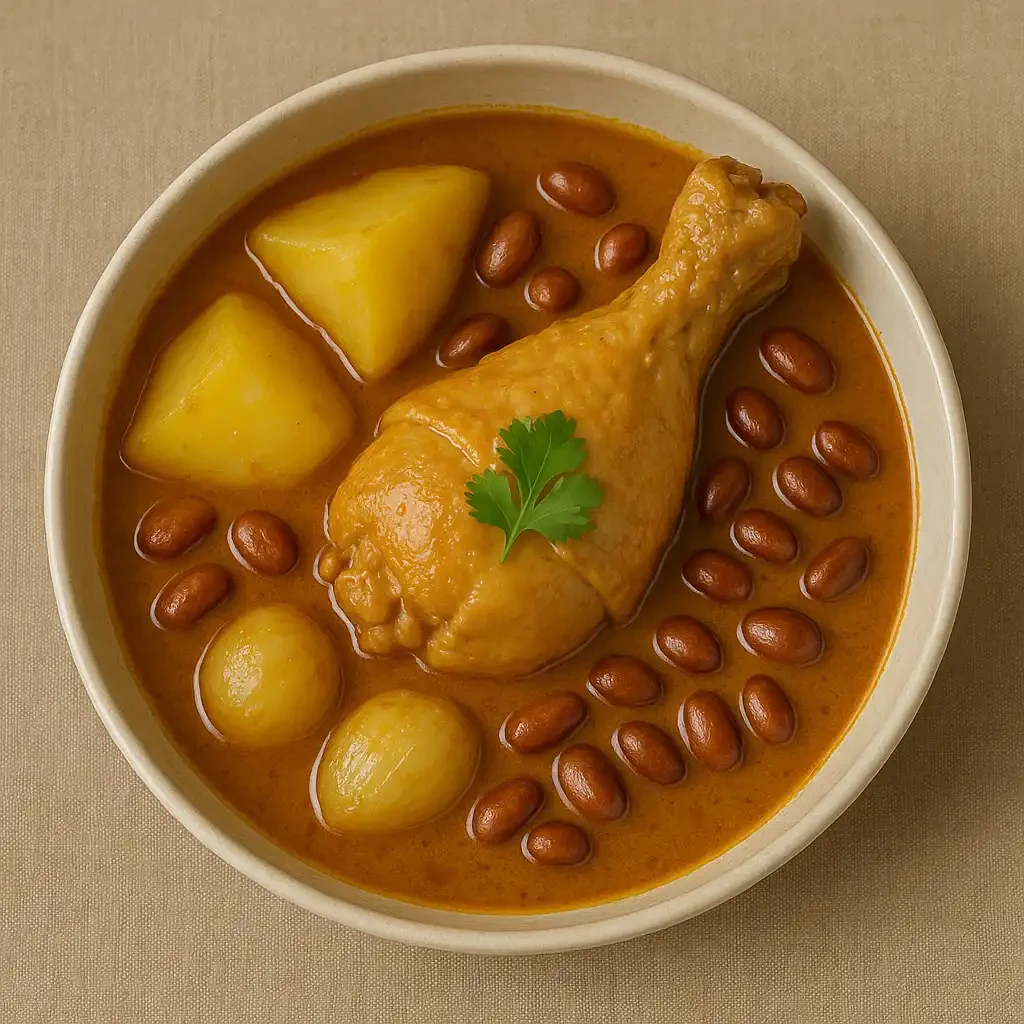
Massaman curry is Thailand's gentlest curry — rich, warming, and aromatic rather than spicy. Its name derives from 'Muslim' (Mussulman), reflecting its origins in the Thai-Muslim communities of southern Thailand. The spice blend includes cinnamon, cardamom, cloves, and star anise — unusual in Thai cooking and more reminiscent of Indian or Persian cuisine. Potatoes, peanuts, and slow-cooked beef or chicken create a hearty, almost stew-like dish. CNN once ranked massaman curry the world's most delicious food — a bold claim, but one that anyone who's tried a properly made version will understand.
Ingredients
Massaman Curry Paste
Complex spice blend including unusual Thai ingredients like nutmeg
Substitutes: Store-bought (Maesri brand recommended), Indian garam masala with Thai elements
Whole Spices
Cardamom, cinnamon, star anise add Persian influence
Substitutes: Ground versions (less aromatic), Chinese five-spice blend
Tamarind Paste
Provides tangy sweetness characteristic of the dish
Substitutes: Lime juice with palm sugar, Worcestershire sauce
Peanuts
Adds texture and nutty richness
Substitutes: Cashews, Almonds, Skip for allergies
Cooking Method
Technique
Slow braising and spice toasting
Overview
Massaman requires patience - it's a slow-cooked curry where tough cuts of meat become tender and spices meld into complex harmony. Whole spices are toasted, paste is fried, and everything simmers gently for hours.
Cooking Tips
- Toast whole spices before adding to release oils
- Use tough cuts of beef - they become incredibly tender
- Cook low and slow - rushing ruins it
- Balance sweet, sour, and salty throughout cooking
- Let it rest overnight - even better the next day
Cultural Significance
Origin Story
Arrived in Thailand through Persian-Indian Muslim traders in the 17th century. The name comes from 'Mussulman,' an archaic term for Muslims. Thai palace cooks adapted it using local ingredients.
Cultural Importance
Massaman represents Thailand's openness to foreign influences while maintaining Thai identity. It's served at diplomatic dinners and represents Thai culinary sophistication.
Traditional Occasions
Variations
Massaman Nuea
Beef version - the most traditional and popular
Massaman Gai
Chicken version - quicker cooking for everyday meals
Massaman Lamb
Luxurious version popular in upscale restaurants
Quick Info
Where to Find
Best Restaurants
- • Nahm (Bangkok) - Michelin-starred perfection
- • Blue Elephant (Bangkok) - Royal Thai cuisine
- • Muslim restaurants on Charoen Krung Road
Street Food Areas
- • Rarely found as street food due to long cooking time
- • Some vendors at Or Tor Kor Market
- • Muslim food centers in Bangkok
Price Ranges
Nutritional Info
Varies by preparation
- • Rich in Thai herbs and spices
- • Balanced flavors
More Dishes
Related Dishes
Want to Learn Thai Cooking?
Master Massaman Curry and other Thai dishes with hands-on cooking classes and guided food tours.
We may earn a commission at no extra cost to you. Prices shown are from partner sites.
Regional Cuisine
Massaman Curry is a Southern Thailand Dish
Discover more dishes and travel experiences from this region.
Explore More
Explore More Thai Cuisine
Discover more authentic Thai dishes and their stories
Browse All Dishes